



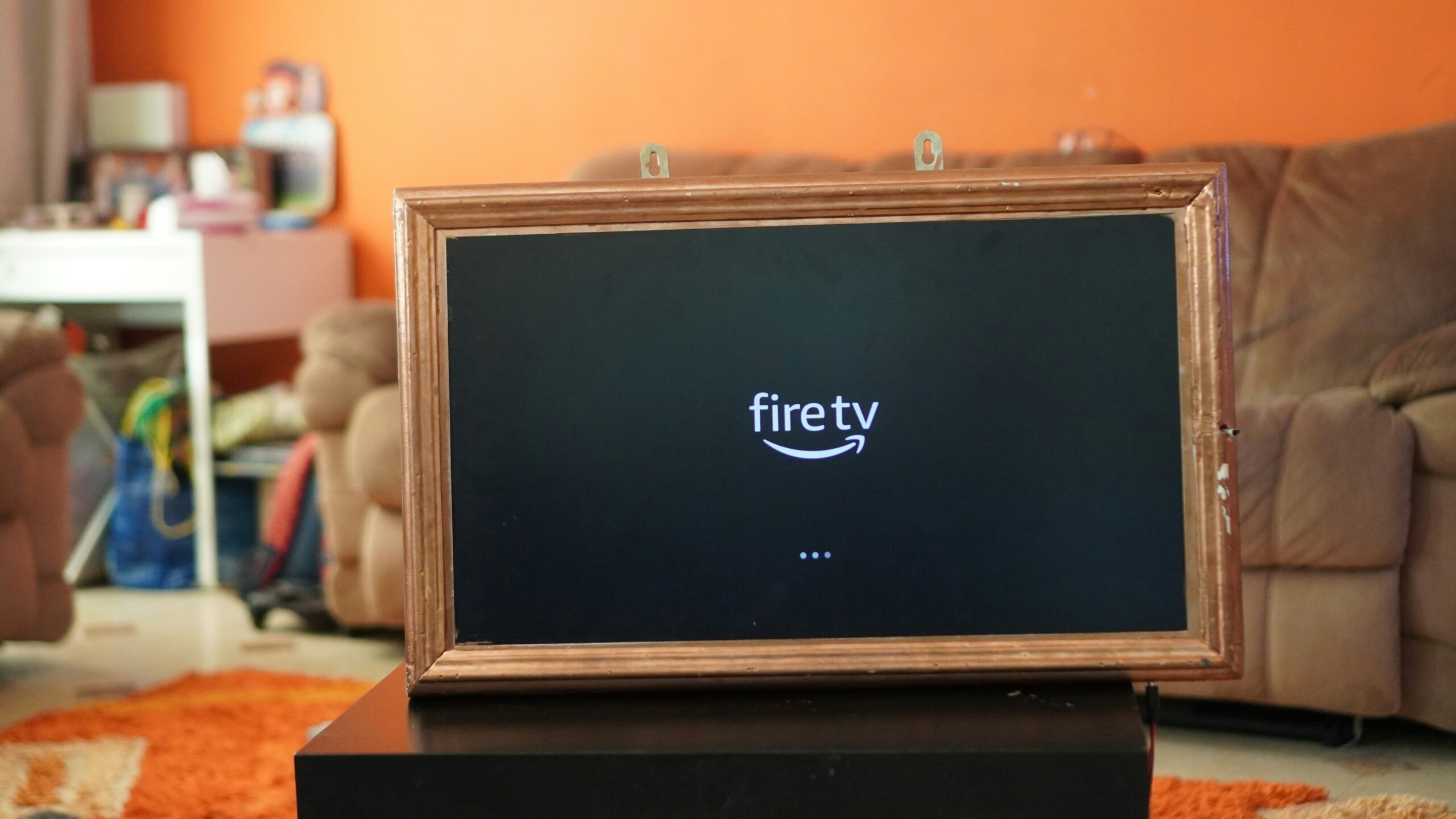
Understanding Connected TV (CTV) Ads
Connected TV (CTV) advertising has rapidly evolved, transforming the way brands engage with consumers in a digital-first world. In essence, CTV refers to televisions that connect to the internet, providing access to a variety of streaming services and apps. This connectivity allows for not only traditional television viewing but also advanced advertising capabilities that differentiate it from conventional TV advertising.
One of the key distinctions between CTV ads and traditional TV ads lies in the ability to target specific audiences. While traditional advertising typically relies on broad demographic data and estimated viewership, CTV ads utilize online data to deliver ads tailored to specific viewer preferences and behaviors. This precision results in more efficient advertising campaigns and higher engagement rates. The technological infrastructure behind CTV, such as programmatic buying and real-time bidding, has significantly enhanced the effectiveness of ad placements.
CTV advertising encompasses various formats, including in-stream ads, display ads, and interactive ads. In-stream ads appear during the streaming of content, while display ads may surface on the interface of the app or service. Interactive ads, on the other hand, enable viewers to engage directly with advertisements, such as tapping to learn more about a product or service. The rise in CTV has coincided with shifts in consumer behavior, as audiences increasingly prefer on-demand content over traditional broadcast methods. This change has prompted advertisers to refine their strategies, focusing on creating more engaging and interactive ad experiences.
Given these advancements, it is vital for marketers to adapt to the dynamic environment of CTV advertising. By considering viewer behavior and preferences, brands can optimize their advertising efforts, ensuring their messages resonate more effectively with target audiences. As we anticipate the growth of platforms like Roku, understanding the nuances of CTV advertising will be crucial for advertisers aiming to thrive in this ever-evolving landscape.
The Current State of Roku in the CTV Landscape
As of the latest reports, Roku has solidified its position as a leader in the connected TV (CTV) advertising ecosystem, boasting a significant market share that underscores its influence. With an estimated 70 million active accounts, Roku’s platform continues to grow globally, drawing a diverse user base primarily consisting of millennials and Gen Z, who are more inclined toward streaming content. This demographic is pivotal for advertisers looking to target younger audiences increasingly abandoning traditional cable TV.
Roku’s appeal to advertisers lies not only in its expansive audience reach but also in the robust advertising services it provides. The platform offers a variety of advertising options, including video ads, display ads, and interactive ads, allowing brands to engage with their audiences in multifaceted ways. Roku’s advanced targeting capabilities empower advertisers to reach specific segments based on user behavior, demographics, and viewing preferences, thereby increasing the effectiveness of advertising campaigns.
Additionally, Roku’s suite of data analytics tools provides advertisers with valuable insights into campaign performance and viewer engagement. These analytics help brands refine their strategies, optimize their content delivery, and ultimately enhance return on ad spend. The platform facilitates A/B testing, which enables advertisers to assess what types of creative resonate best with their audiences.
Moreover, Roku actively shapes industry standards and trends within the CTV landscape, advocating for transparency and fairness in advertising practices. The platform’s commitment to providing a seamless user experience while integrating advertiser needs illustrates its critical role in the ongoing evolution of digital advertising. With the anticipated growth in CTV viewership, Roku’s innovative approach positions it as a quintessential player in the advertising ecosystem for years to come.
Predictions for CTV Advertising in 2026
As we look ahead to 2026, the landscape of connected TV (CTV) advertising is anticipated to undergo significant transformation, driven by advances in technology, shifting consumer habits, and evolving regulatory environments. One of the most notable trends shaping the future of CTV advertising is the increasing dominance of platforms like Roku. As audiences continue to migrate towards streaming services, Roku is poised to strengthen its position within the advertising ecosystem.
Firstly, advancements in ad technology are expected to enhance targeting capabilities, allowing advertisers to deliver more personalized content to viewers. With improved data analytics, we can anticipate smarter ad placements that align closely with consumer preferences, ultimately driving higher engagement rates. The integration of artificial intelligence in CTV ad campaigns may further optimize the effectiveness of ads by predicting viewer behavior and preferences in real-time.
In addition, consumer viewing habits are changing rapidly, spurred in part by the rise of on-demand content and binge-watching behaviors. As people increasingly favor tailored viewing experiences, advertisers will need to adapt their strategies accordingly, focusing on contextually relevant ads that resonate with viewers. With this shift, ad spend in CTV is projected to see substantial growth, potentially surpassing traditional TV advertising budgets as brands recognize the value of engaging with audiences in a digital-first environment.
Moreover, regulatory changes and privacy concerns will undoubtedly influence CTV advertising strategies. With increased scrutiny surrounding data collection and usage, advertisers will need to navigate these regulatory landscapes carefully, ensuring compliance while still achieving their marketing goals. This will likely lead to more transparent ad practices and a shift towards privacy-conscious advertising approaches.
In conclusion, the CTV advertising landscape by 2026 is expected to be characterized by technological sophistication, evolving consumer preferences, and the necessity for adherence to regulatory frameworks. As Roku continues to expand its influence, advertisers who adapt to these trends will be better positioned to capture the attention of their target audiences in an increasingly competitive environment.
Strategic Recommendations for Advertisers
As the landscape of Connected TV (CTV) advertising continues to evolve, it is imperative for advertisers to adapt their strategies to effectively engage audiences. One of the primary platforms facilitating this growth is Roku, which has gained significant traction. Here are several strategies to capitalize on this surge in CTV ads through Roku.
First and foremost, the creation of engaging ad content is crucial. Advertisers should focus on storytelling that resonates with the audience while ensuring that the message is clear and concise. High-quality visuals and sound can enhance viewer experience, leading to increased retention rates. Furthermore, incorporating interactive elements such as polls, quizzes, or personalized content can significantly increase viewer engagement.
Leveraging data for targeting is another key strategy. Utilizing audience insights and analytics can help advertisers deliver relevant ads to specific demographics. This targeted approach not only improves ad performance but also enhances customer experience by ensuring viewers see ads that align with their interests. Implementing advanced segmentation techniques will allow marketers to tailor messages and optimize their campaigns accordingly.
Furthermore, measuring ad performance effectively is essential for continuous improvement. Advertisers must establish clear KPIs to evaluate the success of their campaigns. Tools for tracking metrics such as view-through rates, click-through rates, and completion rates will provide insights into the effectiveness of the ads. Regular analysis of these metrics will allow for timely adjustments and an agile advertising approach.
Finally, staying ahead of trends is vital in the dynamic CTV advertising landscape. Advertisers should keep abreast of emerging technologies and consumer preferences, adapting their strategies to meet these changes. This proactive approach ensures long-term success in CTV advertising and the ability to leverage platforms like Roku efficiently.
RELATED POSTS
View all


Optimizing for Voice Search and Smart Assistants: A Comprehensive Guide
August 22, 2025 | by qqvmedia.com
The 30-Day Social Media Resurrection Protocol: Reviving Your Instagram and TikTok Accounts
November 4, 2025 | by qqvmedia.com

Top Mobile-First E-Commerce Design Trends for 2024
September 25, 2025 | by qqvmedia.com