


Unlocking the World of Spotify: A Comprehensive Guide to Streaming Music
January 2, 2026 | by qqvmedia.com

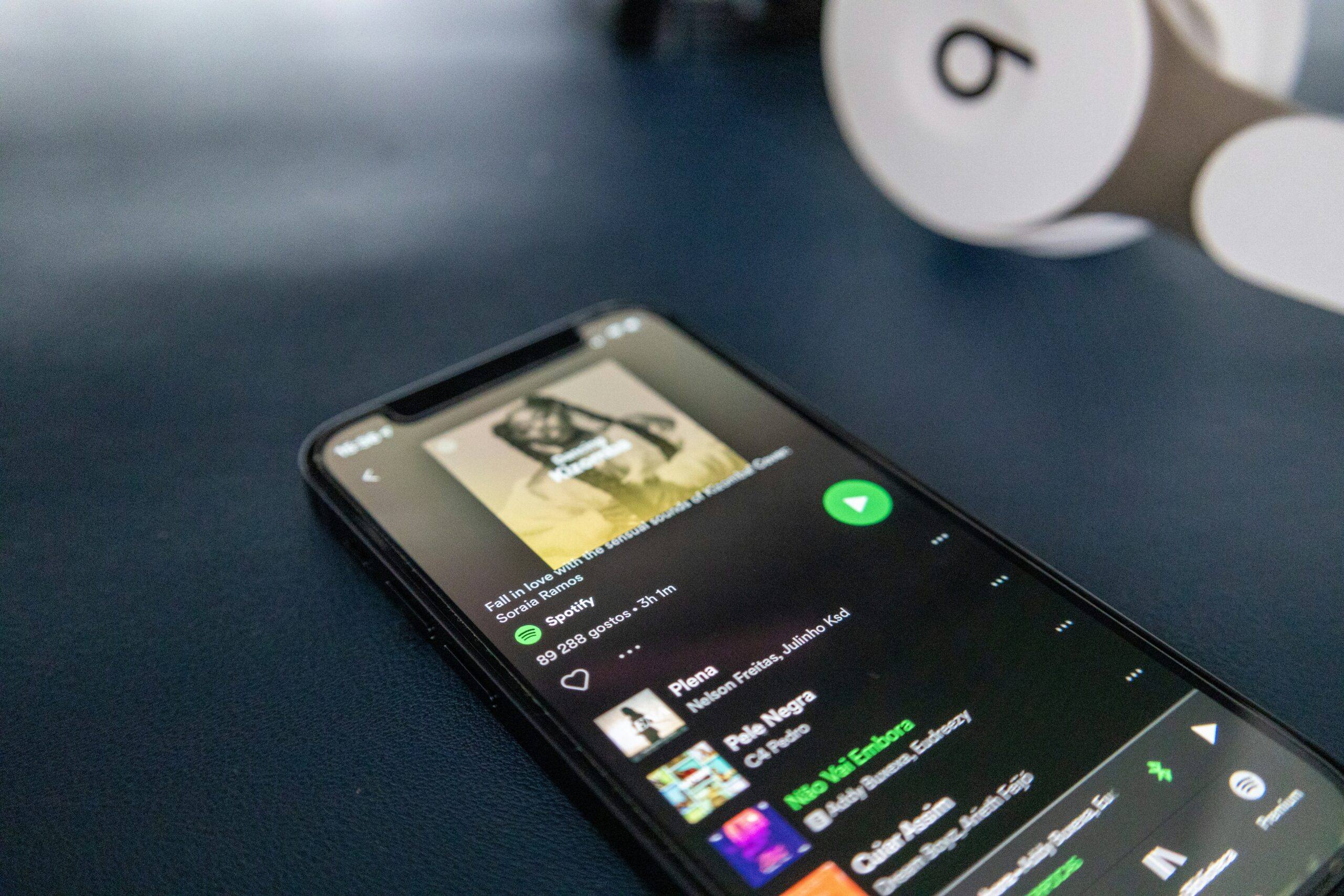
Introduction to Spotify and its Impact on Music Consumption
Spotify, founded in 2006 by Daniel Ek and Martin Lorentzon in Sweden, is a revolutionary music streaming service that has markedly changed the landscape of music consumption globally. With its launch, Spotify introduced an innovative way for users to access a vast library of music without the need to purchase individual songs or albums. By offering both a free ad-supported tier and a premium subscription model, Spotify democratized access to music, appealing to a wide audience.
Over the years, Spotify has evolved significantly, incorporating features such as personalized playlists, algorithm-driven music recommendations, and exclusive content to enhance user experience. The introduction of curated playlists, like Discover Weekly and Daily Mix, signifies a shift in how listeners discover new music. Rather than relying solely on traditional radio or purchasing music albums, users are now guided by sophisticated algorithms that tailor recommendations based on listening habits.
This change in music consumption has also contributed to a marked shift from music ownership to streaming. The prevalence of streaming services like Spotify has led to a decline in physical album sales and digital downloads. Where once consumers may have invested in purchasing albums, the streaming model encourages exploration and usage across diverse genres and artists. This shift not only impacts listener engagement but also alters how artists distribute their music, promote their work, and earn revenue.
In a world increasingly focused on convenience and accessibility, Spotify has played a pivotal role in shaping modern music consumption. Its influence is evident in the rise of playlists as a primary method for music discovery and the normalization of streaming as a dominant medium for experiencing music. As Spotify continues to innovate and adapt, the landscape of music consumption will undoubtedly continue to evolve.
Key Features of Spotify: What Sets it Apart from Other Services
Spotify stands out in the crowded landscape of music streaming services due to its robust features that cater to diverse listener preferences. One of the most significant aspects of Spotify is its extensive music library, which boasts millions of tracks across various genres. This vast selection enables users to discover both mainstream hits and indie tracks, making it a versatile platform for music enthusiasts.
Another distinguishing feature of Spotify is its algorithm-driven personalized playlists. Tools like Discover Weekly and the annual Wrapped showcase Spotify’s commitment to enhancing user experience. Discover Weekly curates a unique playlist every week based on listeners’ tastes and listening habits, introducing them to new artists and songs they may not have encountered otherwise. Similarly, Wrapped provides users with a summary of their listening habits over the past year, allowing them to rediscover their favorite tracks and artists.
In addition to personalized playlists, Spotify offers collaborative playlists, enabling friends to collectively curate a shared music experience. This feature fosters community engagement and makes it easy for users to build playlists together, which is ideal for gatherings or road trips. Furthermore, Spotify’s social sharing options allow users to seamlessly share their favorite songs or playlists with friends on platforms like Facebook and Twitter, enhancing the social aspect of music sharing.
It is also crucial to understand the differences between Spotify Free and Spotify Premium. While the free version offers access to a limited set of features, Spotify Premium enhances the listening experience by providing ad-free streaming, offline downloads, and higher audio quality. This incentivizes users to consider a subscription for a more personalized and uninterrupted listening experience.
These distinct features meticulously differentiate Spotify from other streaming services, making it a preferred choice for many individuals seeking a rich and engaging music journey.
Navigating Spotify: Tips and Tricks for Users
Spotify is a powerful music streaming platform that provides users with a vast library of songs, podcasts, and playlists. To enhance your Spotify experience, it is essential to familiarize yourself with the application’s features and functionalities. First and foremost, mastering navigation within the app is crucial. The home screen displays personalized recommendations tailored to your listening habits. Utilizing the ‘Explore’ section can also expand your musical horizons by uncovering new genres or artists.
Creating and managing playlists is another vital aspect of Spotify. Users can compile their favorite tracks into personalized playlists for various occasions, such as workouts, road trips, or relaxing evenings. To create a playlist, simply click on ‘Your Library’ and select ‘Playlists.’ From there, you can add songs by searching for them or browsing through suggested tracks. Regularly updating your playlists ensures that they remain fresh and engaging.
Moreover, Spotify Connect allows you to link and control your music playback across compatible devices wirelessly. This feature enables seamless transitions from your mobile device to speakers or smart TVs, optimizing your listening experience wherever you are. To use this feature, ensure that all devices are connected to the same Wi-Fi network.
The search function on Spotify is robust and efficient, allowing users to find specific songs, albums, or artists quickly. Using filters such as genre, moods, or even specific lyrics can help in discovering music that aligns with your tastes. Additionally, taking advantage of the various subscription plans—including Spotify Free, Premium, and Family plans—can greatly enhance your experience. Each plan offers unique benefits, so understanding the differences can assist you in selecting the optimal choice for your needs.
The Future of Spotify and Music Streaming
As the music streaming landscape continues to evolve, Spotify’s role in the industry remains pivotal. With the surge of digital consumption reshaping how listeners access content, Spotify is strategically positioning itself to navigate both emerging trends and the challenges these changes present. One notable trend is the increasing popularity of podcasts and live audio. Recognizing this shift, Spotify has made significant investments in exclusive content creation, which not only enhances its platform offering but also attracts a broader audience base beyond traditional music listeners.
Moreover, advancements in technology play a crucial role in defining the future of music consumption. Innovations such as artificial intelligence and machine learning are enabling personalized listening experiences, allowing Spotify to tailor recommendations and playlists that resonate more closely with individual user preferences. As algorithms become more sophisticated, the potential for enhanced user engagement increases, fostering a deeper connection between artists and their audiences.
However, Spotify will face various challenges as it grows within a competitive market. The increase in rival services, coupled with changing consumer behaviors, necessitates continuous adaptation. The company must remain responsive to shifts in licensing agreements, as well as evolving royalty structures that affect artists and record labels. Additionally, the need to balance free and premium tiers to maximize user retention presents a complex dilemma.
In response to these challenges, Spotify’s ability to innovate will be crucial. Incorporating new features, expanding its content library, and enhancing user experience through intuitive design are strategies that could ensure its longevity. By embracing change and leveraging emerging technologies, Spotify aims to solidify its position as a leader in the music streaming industry, ultimately shaping the future of how music is consumed globally.