


Go-To Tools for Self-Marketing: A Comprehensive Guide
January 15, 2026 | by qqvmedia.com

Understanding Self-Marketing
Self-marketing is the practice of promoting oneself and one’s abilities, experiences, and qualifications to create a compelling personal brand. In today’s digital landscape, where competition is stiff, effectively marketing oneself has become a crucial skill for individuals—whether seeking employment, pursuing freelance opportunities, or striving to enhance personal branding. The act of self-marketing goes beyond traditional job hunting; it encompasses a proactive approach to establishing a positive image and reputation that resonates with target audiences.
The importance of self-marketing cannot be overstated. With the rise of social media and online platforms, individuals have unprecedented access to showcase their skills, share their stories, and connect with potential employers or clients. Digital tools like LinkedIn, personal websites, and social media profiles serve as essential channels through which individuals can create a professional narrative that aligns with their career goals. Furthermore, self-promotion enables individuals to differentiate themselves in a crowded marketplace, highlighting their unique value propositions effectively.
Self-marketing also involves understanding the psychology behind self-promotion. Unlike traditional marketing, which typically focuses on product or service promotion, self-marketing emphasizes personal attributes and competencies. This shift in focus requires individuals to adopt a genuine and authentic approach, allowing them to resonate more effectively with their audience. The goal is to communicate not just what one can do but also who they are as professionals, cultivating trust and engagement in the process.
In conclusion, grasping the concept of self-marketing is essential for anyone looking to navigate the complexities of career advancement in a digital world. By mastering the art of self-promotion, individuals can position themselves more successfully in their desired fields, aligning their personal brand with the needs and interests of their target audience.
Essential Tools for Self-Marketing
Effective self-marketing requires a methodical approach, and leveraging the right tools is essential to build and maintain a personal brand. Below is a selection of pivotal tools that can enhance self-marketing efforts.
1. Social Media Platforms: Social media is one of the most powerful tools for self-promotion. Platforms such as LinkedIn, Twitter, and Instagram allow individuals to showcase their talents, network with industry professionals, and engage with a broader audience. LinkedIn, in particular, serves as a professional networking site where users can share their accomplishments and connect with potential employers or clients.
2. Personal Websites/Blogs: A personal website acts as a central hub for all digital marketing activities. A well-designed website not only showcases a portfolio but also allows individuals to express their personal brand through customized content. Blogging can further enhance visibility, as regular articles can establish expertise in a particular field while improving search engine optimization (SEO).
3. Email Marketing Services: Platforms like Mailchimp and Constant Contact are invaluable for self-marketing. They facilitate direct communication with audiences, allowing users to send newsletters, product updates, and promotional content. Building an email list is crucial, as it creates a direct line to interested parties, fostering a more personalized connection.
4. Graphic Design Tools: Tools such as Canva or Adobe Spark enable individuals to create visually compelling content without requiring advanced design skills. High-quality graphics can enhance social media posts, presentations, and marketing materials, making a lasting impression on the audience.
Leveraging these essential tools can significantly enhance self-marketing strategies, leading to greater visibility and engagement. By utilizing social media, personal websites, email marketing, and design tools thoughtfully, individuals can establish a formidable presence in their chosen field.
Creating a Strategic Marketing Plan
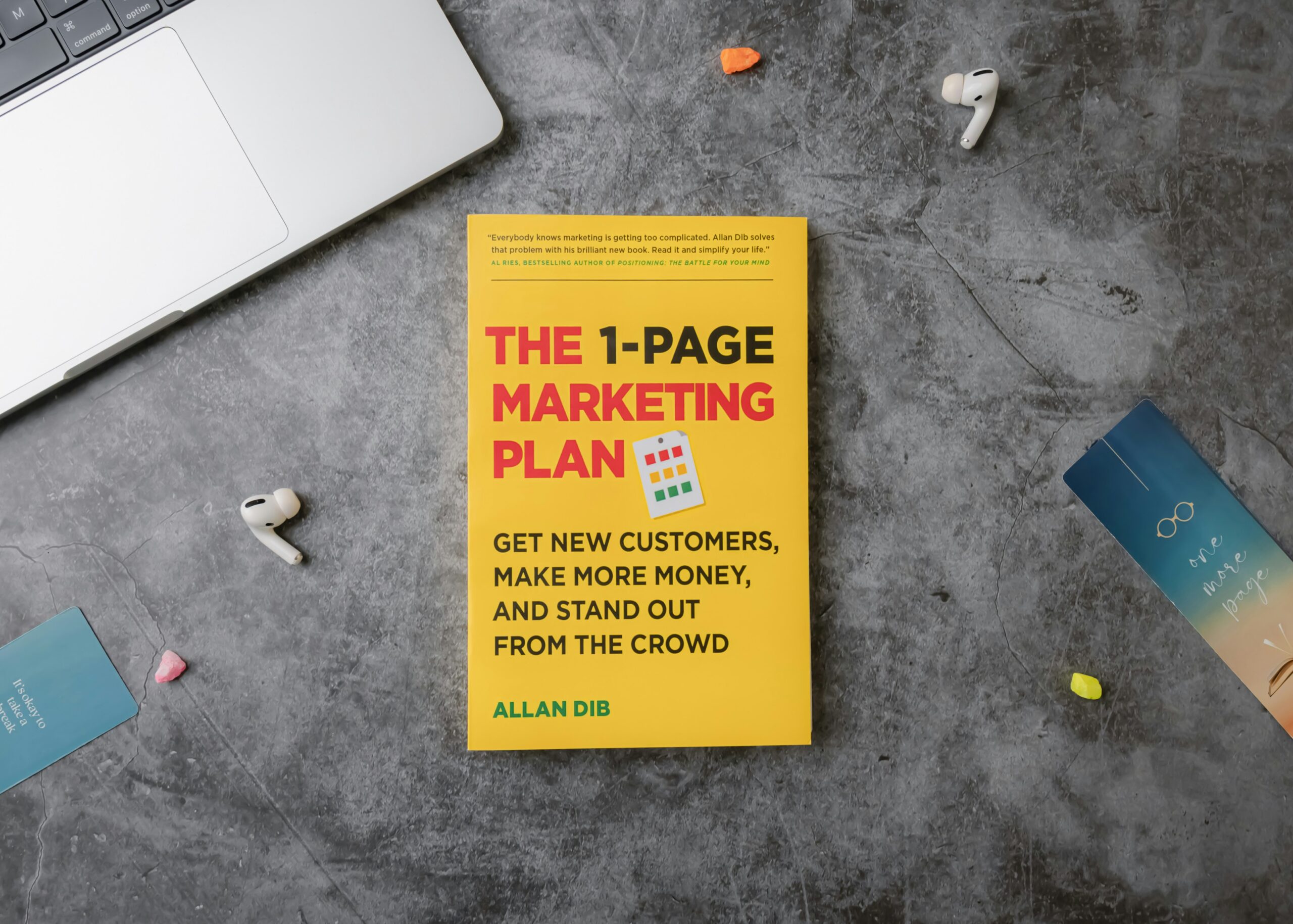
Creating a strategic marketing plan is a fundamental aspect of effective self-marketing. A well-structured plan not only outlines your goals but also serves as a roadmap to guide your efforts in reaching your personal or professional objectives. The first step in this process is to set clear and measurable objectives. These objectives should be specific, attainable, relevant, and time-bound (SMART), ensuring that they align with your long-term aspirations.
Next, it is crucial to identify your target audience. This involves understanding who you want to reach with your marketing efforts. Consider demographic factors such as age, gender, profession, and interests, which can help tailor your messaging and outreach strategies. Utilizing tools such as surveys or market research can provide valuable insights into the preferences and behaviors of your target audience.
Once you have outlined your objectives and identified your audience, the next step is to craft key messages. These messages should encapsulate your unique value proposition and convey what makes you distinct in your field. Whether you are presenting a personal brand or a professional service, your messaging should consistently reflect your values and expertise, establishing a clear identity that resonates with your audience.
Finally, evaluating your success metrics is integral to your strategic marketing plan. Determining how you will measure the effectiveness of your efforts can help assess progress and make necessary adjustments. Metrics may include website traffic, social media engagement, or lead generation statistics, providing tangible evidence of your marketing initiatives’ impact. By continuously monitoring these metrics, you can refine your strategy and enhance your self-marketing efforts effectively.
Leveraging Social Media and Networking
In today’s digital age, leveraging social media is an essential strategy for self-marketing. Different platforms cater to diverse audiences, making it crucial to select the right ones for your personal brand. For instance, LinkedIn serves as a professional networking site where users can showcase their skills, connect with industry peers, and join relevant groups. By maintaining a complete and updated profile along with regular interactions, one can significantly enhance visibility and perceived credibility.
Facebook and Instagram offer more personalized avenues for self-marketing, allowing for the sharing of creative content and engagement with followers. Here, authentic storytelling and consistent branding can facilitate a deeper connection with audiences. Utilizing features such as stories and posts effectively can create a vibrant online persona that resonates with followers and potential collaborators alike.
Twitter is another platform that emphasizes real-time communication and news sharing. By participating in discussions through hashtags and retweets, individuals can establish themselves as thought leaders in their fields. Engaging with trending topics and insightful commentary can lead to increased followers and recognition, thereby accentuating one’s personal brand.
Networking extends beyond social media; both online and offline connections play a critical role in self-marketing. Attending industry events, workshops, and trade shows provides avenues to meet influential figures and like-minded individuals. It is beneficial to cultivate relationships through follow-up communications and leveraging shared interests. Online forums and communities also offer excellent opportunities for networking, enabling individuals to seek advice, share insights, and explore collaborations.
Building meaningful connections is pivotal, as these relationships can lead to enhanced visibility and influence within your industry. Whether it is through social media interactions or in-person meetings, always approach networking with authenticity and a willingness to support others. By doing so, you will not only elevate your personal brand but also create a network of support that enhances your career journey.
RELATED POSTS
View all


Why Most Developers Fail and How to Avoid It
August 6, 2025 | by qqvmedia.com